 by
Craps proposition bets explained in plain terms can help you read the table without chasing noise. For an Australian audience, the appeal is often the fast pace and the variety of outcomes on a single roll, but the house edge on these wagers is where the real story sits. We look at how these side bets work, where the risks concentrate, and what responsible operators do to keep play manageable. If you want a quick way to test table limits without depositing, thepokies.net no deposit bonus can be a sensible starting point for familiarising yourself with layout and pace before committing funds.
What proposition bets actually cover on the table
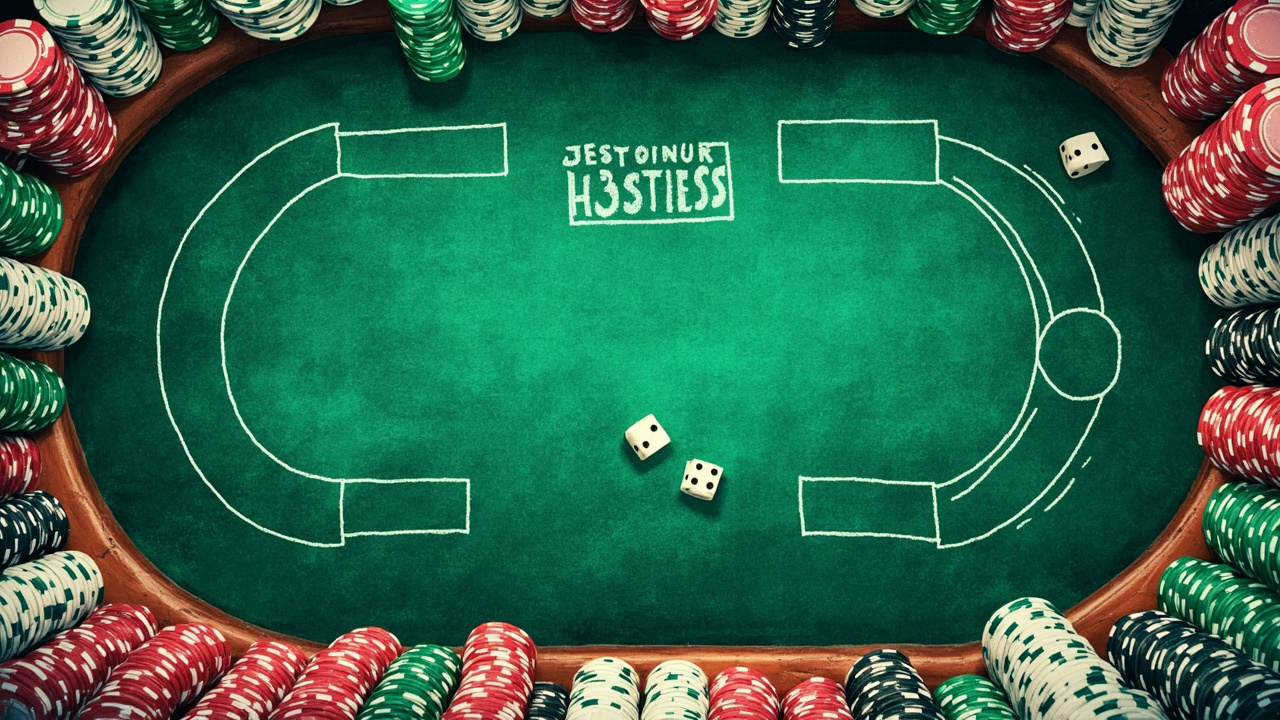
Proposition bets in craps sit in the centre of the layout and pay out on very specific outcomes of a single roll, rather than on the longer pass line sequence. The common ones include any seven, any craps, horn bets, and the individual numbers two, three, eleven, and twelve. Each of these carries its own payout and its own edge, which is why seasoned players often treat them as occasional spice rather than the main course. The key point for Australian players is that these wagers are resolved quickly, so the rhythm can feel busy as a Saturday arvo at a regional Queensland club, but the speed does not change the mathematics underneath.
I have seen payroll operations at Easygo and Stake run with tighter control than some tables treat their centre bets, and the lesson is similar: when a wager pays high but hits rarely, the variance can swing hard before you have time to adjust. A sensible approach is to know the exact payout you are being offered, because even small differences in how a book or a live table presents the same proposition can change the expected return. If you are comparing environments, it helps to read the rules and limits carefully, and a starting point like thepokies.net no deposit bonus lets you observe the pace without immediately putting money behind a high-edge bet.
Where the house edge concentrates and how to read it
The centre of the table is where the edge tends to be sharpest, and craps proposition bets explained honestly should say so up front. Any seven, for example, pays well but lands far more often than many casual players expect, while the individual horn numbers can be tempting precisely because the payout looks large relative to the stake. The practical skill is not in predicting the roll, but in understanding that these bets are designed to be hit infrequently enough that the payout still favours the house over time. That is not a moral judgment on the game; it is simply how the pricing works.
Accumulator wins can be enormous because odds multiply together, and that same multiplication can work against you when several short-odds outcomes are bundled into one line of thinking. In payroll terms, I would rather see a clean, documented process at Twist or Kick than a fast-moving desk that looks exciting until the numbers are reconciled, and the same discipline applies here. A player who treats proposition bets as paid entertainment with a clear stop point is in a very different position from one who chases a big hit after a dry run. The difference is often in the controls around the account, not in the dice themselves. thepokies.net no deposit bonus
What responsible operators do to keep play manageable
Trust and support matter most when the pace is fast and the payouts are uneven, because that combination can make a session feel longer than it really is. A well-run environment will show the rules clearly, offer plain-language help, and give you tools that actually work when you want to slow down or take a break. That means deposit limits, session reminders, and a support team that can answer a question without making you wait through a maze of automated replies. Privacy is part of the same picture, since your betting history and account details should be handled with the same care you would expect from any serious operator.
The first modern state lottery in the US, New Hampshire in 1964, reopened the door to legal government gambling, and that history is a useful reminder that regulated markets evolve around transparency and consumer protection, not just product variety. Excalibur is a castle-themed Las Vegas mega-resort, which is a different world entirely, but the underlying lesson still applies: spectacle does not replace clear terms, fair treatment, and a way to get help when you need it. For Australian players, the practical test is whether you can find the rules, set your own boundaries, and reach a real person if something feels off.
How to approach these bets without letting them run the session
A measured way to treat proposition bets is to decide in advance what role they play in a session, rather than letting a hot streak or a dry patch dictate the next move. Some players use them sparingly for a bit of variety, while others avoid the centre bets altogether and stick to the outer lines where the edge is usually less severe. Neither approach is universally right, but both depend on knowing your own limits and being willing to stop when the numbers stop making sense for you. The goal is control, not a perfect system.
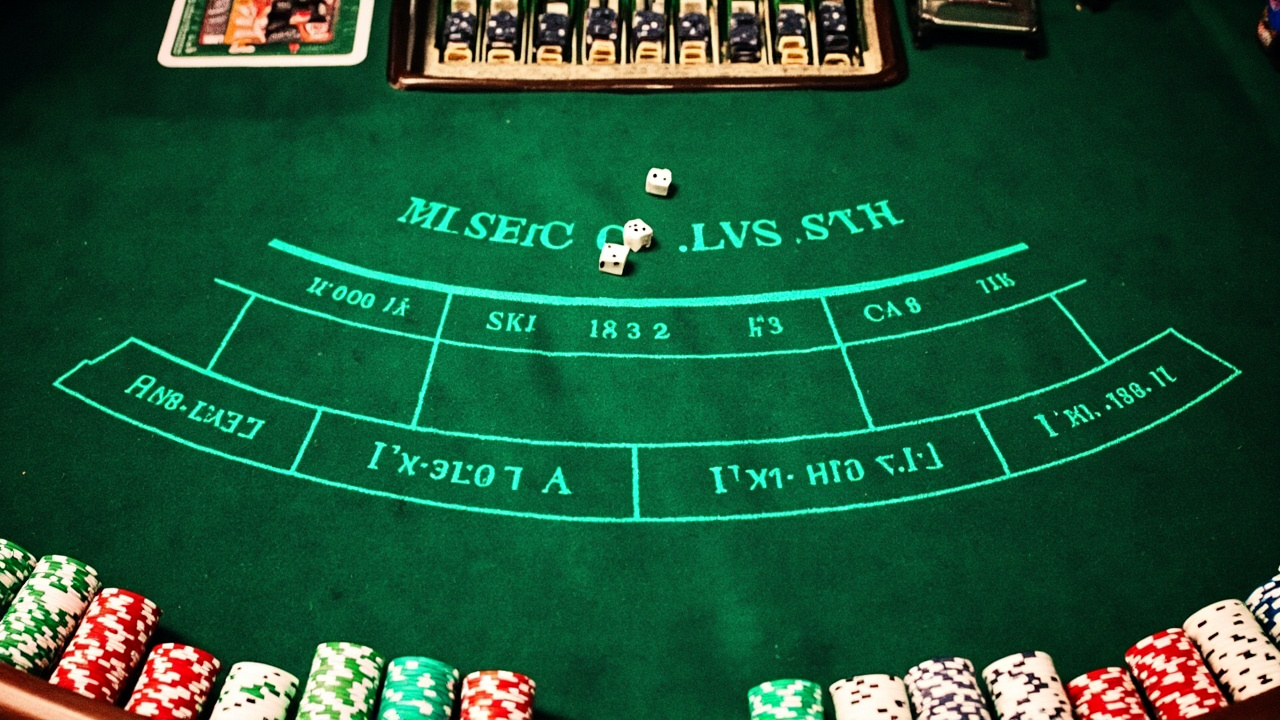
Sienna Henderson, Sports Betting Analyst, Bondi Sports Data, has pointed out that fast-moving markets can make short-term results look more meaningful than they really are, and that caveat applies here too. A roll or two can look like a pattern, but the longer view is what matters when the edge is baked into the payouts. If you are sharing a session with mates or comparing notes after an arvo at the tables, the useful question is not who had the biggest hit, but who kept the session within the bounds they set beforehand. That is the kind of habit that holds up better than any single lucky roll.
- Any seven: a centre bet that wins if the next roll is a seven.
- Horn bet: a wager split across two, three, eleven, and twelve.
- House edge: the built-in advantage the table has over the player over time.
- Pass line: the main outer bet that follows the longer sequence of rolls.